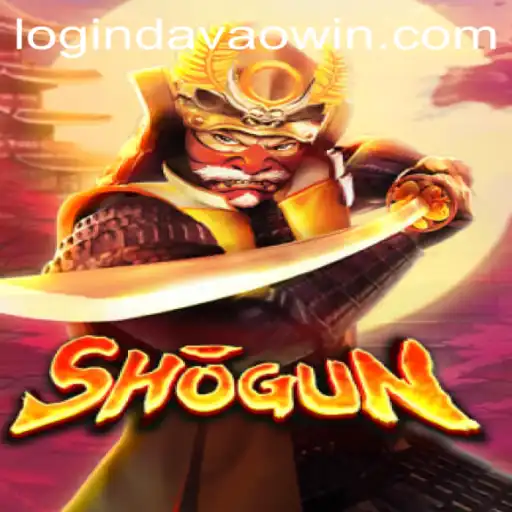
Discovering Shogun: The Game of Strategy and Honor
Shogun takes players on an intricate journey through the realm of strategy, diplomacy, and warfare. Set in the tumultuous era of feudal Japan, Shogun challenges its players to assume the role of warlords vying for power and control over provinces. With its unique mechanics and dynamic gameplay, Shogun has captured the imaginations of strategists worldwide, becoming an emblem of tactical prowess and honor.
Introduction to Shogun
Invented as a board game, Shogun has transcended its original form to become a widely acclaimed strategy game played both traditionally and digitally. The game's setting immerses players in the historical context of Japan's Sengoku period, a time when regional power struggles were at their peak. Players are tasked with refining their strategic acumen, managing resources, and conquering territories to outwit their opponents.
Shogun places a heavy emphasis on the balance between military strength, resource management, and diplomatic negotiations. The game beckons players to adapt their strategies, whether through alliances, betrayals, or open confrontations. The evolution of Shogun into digital platforms has allowed the game to reach broader audiences while still maintaining its core principles of strategy and honor.
Rules and Gameplay
The game begins by allocating players as daimyo, or powerful landowners, who command their armies and develop their provinces. The objective is simple yet profound: gain dominance over Japan by capturing key provinces, accumulating wealth, and asserting influence through military and political means.
Key Components
Shogun comprises several elements essential to gameplay, including the use of cards, dice, and a game board. The game board is divided into provinces, each offering unique resources and strategic advantages. Players need to deploy their armies strategically across these territories to fortify their positions and expand their influence.
Cards represent various actions and events, providing players with opportunities to enhance economic strength, recruit soldiers, or forge beneficial alliances. The tactical deployment of cards is crucial for swift progression through the game.
Dice play a pivotal role in determining the outcomes of battles and encounters with rival forces. Each decision carries weight, making the game outcomes suspenseful and unpredictable.
Phases of Gameplay
Shogun unfolds across several phases, each demanding critical decisions and tactical maneuvers:
- Planning Phase: Players strategize their next moves by allocating resources, issuing commands to armies, and organizing their hold over provinces.
- Diplomacy Phase: Forging and severing alliances is a cornerstone of Shogun. Players negotiate, forming fragile pacts that may serve immediate or long-term gains.
- Conflict Phase: The intensity spikes as players execute their military strategies with full force. Combat mechanisms depend heavily on calculated risk, with victories leading to province acquisition and enhancing power.
- Consolidation Phase: Reassessing strategies and reaping the benefits of conquered lands allows players to consolidate power, preparing for future endeavors.
The Influence of Current Events: The Rise of Davaowin
The unpredictable world events have a fascinating impact on diverse aspects of life, including strategy games like Shogun. The concept of 'Davaowin', an emerging trend in tactical gaming, perfectly exemplifies this connection. Originating in the bustling metropolis of Davao City, Davaowin represents a unique blend of strategic ingenuity characterized by adaptive maneuvers and bold power plays.
Davaowin has become synonymous with clever tactics adapted from real-world socio-political events and economic shifts. Players, both in local gaming communities and global circuits, have been incorporating elements of Davaowin into their strategies, making games of Shogun even more riveting. This emergent playstyle reinforces the idea that the game is dynamic, with evolving tactics influenced by contemporary occurrences.
As the world grapples with rapid changes, from economic fluctuations to technological advancements, Shogun offers a platform where these influences can be simulated and examined. The inclusion of modern strategic insights akin to Davaowin fosters a deeper level of interaction and engagement among the players, propelling the game into uncharted territories.
By integrating elements from recent developments, players are embracing new strategic paradigms, ultimately enhancing the complexity and excitement of Shogun. As gaming communities continue to thrive and evolve, the impact of real-world scenarios like Davaowin ensures that Shogun remains a captivating journey—a grand theater of strategy, war, and honor.